
The fascinating journey of casinos A deep dive into Hilo's history
Historical Origins of Gaming in Hilo
The history of casinos in Hawaii is woven into the rich tapestry of Hawaiian culture, where traditional games have long held a place in social gatherings. Before the introduction of Western gaming practices, the indigenous people played various games that involved strategy, skill, and chance. These early forms of gaming were more than mere entertainment; they served as a means of fostering community bonds and showcasing cultural heritage. As foreign influences began to seep into the islands, the concept of gambling evolved, leading to the establishment of more formalized gaming practices. Today, many people enjoy games like Hilo for both fun and potential rewards.
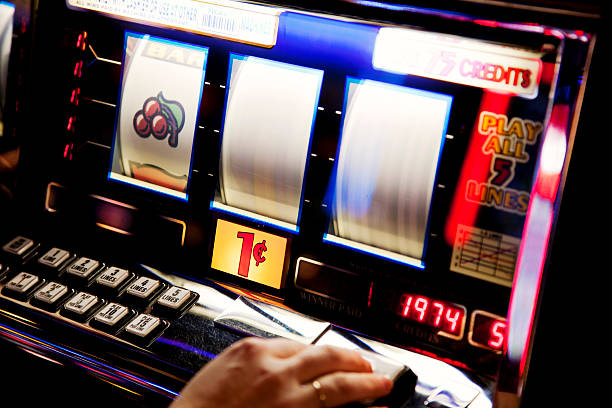
With the arrival of European settlers in the 19th century, Hawaii began to see the emergence of establishments that catered to the growing interest in gambling. The early casinos, although rudimentary, offered card games and dice games that mirrored those popular in mainland America. These venues became social hubs where people from different walks of life gathered, further blurring the lines between entertainment and gambling. Over the years, the gaming scene in Hawaii adapted to incorporate both local flavors and imported practices, setting the stage for the casinos we recognize today.
The transition to modern gaming in Hawaii was marked by significant changes in legislation and societal attitudes toward gambling. As Hawaii maintained its unique cultural identity, local lawmakers struggled with the balance between preserving tradition and embracing economic opportunity. The late 20th century saw a resurgence in the popularity of casinos, culminating in efforts to create legal frameworks that would permit more comprehensive gaming operations. This historical backdrop provides the context for understanding Hawaii’s unique position in the world of casinos.
The Rise of Legal Casinos in Hilo
The legalization of casinos in Hawaii marked a turning point in its gaming landscape. Recognizing the potential for economic growth, local authorities began to consider regulations that would allow for the establishment of formal casinos. This marked a departure from the clandestine gambling activities that had proliferated in the absence of legal oversight. With these new regulations, Hawaii could finally embrace a legitimate gaming industry, attracting both local players and tourists looking for entertainment.
As Hawaii’s gaming scene began to flourish, several casinos emerged, each with its unique offerings and atmosphere. These establishments not only provided gaming options but also contributed to the local economy by creating jobs and generating revenue. The influx of visitors led to increased demand for hospitality services, making Hawaii a vibrant destination for both gaming enthusiasts and vacationers. This evolution underscored the importance of casinos in Hawaii as more than just places to gamble; they became integral to the town’s identity and economy.
The presence of legal casinos also spurred a cultural shift in how gambling was perceived in Hawaii. No longer viewed solely as a vice, gambling became recognized as a form of entertainment that could coexist with community values. Local events, festivals, and promotions began to intertwine with the gaming industry, fostering a sense of unity among residents. The growth of casinos in Hawaii has thus been a catalyst for change, shaping both economic prospects and cultural perceptions within the community.
Cultural Impact and Community Engagement
The rise of casinos in Hawaii has not only transformed the local economy but has also significantly influenced the culture of the region. Casinos have become focal points for community gatherings and celebrations, blending gaming with local traditions. Events held at these venues often feature Hawaiian music, dance, and cuisine, creating a unique atmosphere that reflects the island’s heritage. This cultural infusion has helped casinos in Hawaii stand out, attracting visitors interested in an authentic Hawaiian experience.
Moreover, the gaming industry in Hawaii has taken strides to engage with the community in meaningful ways. Many casinos have initiated programs to support local charities and initiatives, contributing to causes that resonate with residents. By hosting fundraising events and community outreach programs, casinos in Hawaii have worked to bridge the gap between the gaming environment and the local population, fostering a sense of partnership that benefits everyone involved.
Despite some criticisms surrounding gambling, the cultural impact of casinos in Hawaii cannot be denied. They have become spaces for social interaction, entertainment, and celebration, offering a blend of fun and community spirit. The ongoing dialogue between casinos and residents highlights the importance of finding a balance between economic development and cultural preservation, ensuring that Hawaii’s unique identity remains intact even as it evolves in the face of modernity.
Technological Advancements and Future Prospects
The casino industry in Hawaii is not immune to the effects of technological advancements, which have revolutionized how gaming operates. From digital slot machines to online gaming platforms, technology has brought about significant changes that enhance the gaming experience. In recent years, casinos in Hawaii have begun to implement advanced systems that not only improve efficiency but also provide a more engaging environment for players. This shift towards technology has transformed the traditional gaming landscape into a dynamic space that appeals to younger audiences.
As online gaming continues to grow in popularity, Hawaii’s casinos have explored opportunities to expand their offerings beyond physical locations. Mobile applications and virtual gaming platforms have emerged, allowing players to engage with their favorite games from the comfort of their homes. This trend has the potential to attract a broader demographic and further boost the local economy. However, it also raises questions about the future of traditional casinos and the preservation of the local gaming culture.
Looking ahead, the future prospects for casinos in Hawaii are promising but will require adaptability and innovation. As the industry continues to evolve, maintaining a balance between technological advancements and the community’s cultural values will be essential. Hawaii’s casinos must not only focus on profitability but also on creating an inclusive environment that respects and uplifts the local community. Embracing this dual approach can lead to a thriving gaming sector that benefits both residents and visitors for years to come.

Exploring the Online Gaming Scene
The digital age has brought a new dimension to the casino experience, with online gaming platforms emerging as popular alternatives to traditional casinos. In Hawaii, the rise of online gaming has allowed players to access their favorite games anytime and anywhere. This accessibility has appealed to a wider audience, making it easier for people to engage with gaming in a comfortable setting. The blend of traditional Hawaiian culture with modern gaming technology has created a unique online environment for players.
Online gaming in Hawaii has also fostered a sense of community among players. Many platforms encourage interaction through chat features, allowing individuals to connect, share experiences, and even form friendships while playing. This social aspect, combined with the thrill of gaming, has helped cultivate a vibrant online community that reflects the spirit of Hawaii. As more players seek out online options, this sense of connection will likely continue to grow.
Furthermore, online gaming platforms often provide extensive resources and information to enhance the gaming journey. Blogs, tutorials, and forums give players insights into strategies, trends, and the latest news in the gaming world. For those looking to enhance their experience, these resources can be invaluable, ensuring that players are well-informed and engaged. As Hawaii continues to evolve, the integration of online gaming will play a crucial role in shaping the future of its casino landscape.