
The Psychology Behind Bluffing
Bluffing in poker is not just a matter of deception; it is an intricate interaction of psychological prowess and strategic acumen. Understanding the mindset of your opponents can significantly impact your ability to bluff effectively. Players often rely on reading facial expressions, body language, and betting patterns to gauge whether someone is attempting to deceive them. In addition to these skills, many enjoy playing at an instant withdrawal casino uk where quick access to funds adds to the excitement of the game. A successful bluff hinges on the ability to project confidence, making your opponents uncertain about the strength of your hand compared to theirs.
Moreover, the psychological element of poker often shifts based on the stakes and the players involved. For instance, in lower-stakes games, players may call bluffs more frequently because they are less concerned about losing money. Conversely, in high-stakes games, the tension rises, as players are more experienced and adept at recognizing when someone is trying to deceive them. Therefore, mastering the psychological aspects of bluffing requires a nuanced understanding of both your own behavior and that of your opponents.
Additionally, bluffing can create a rollercoaster of emotions at the table, not only for you but also for your opponents. Successful bluffs can instill fear and uncertainty in others, allowing you to control the dynamics of the game. Conversely, if you bluff unsuccessfully, you risk losing credibility, making it harder to bluff again in the future. Thus, mastering the art of bluffing involves not just the technique but also the emotional intelligence to navigate the myriad responses from fellow players.
When to Bluff: Timing is Everything
The timing of your bluff can greatly influence its efficacy. Bluffs are most successful when they align with certain factors in the game. For instance, bluffing when you have little to lose can often be a strategic call, particularly in late positions. The earlier you act in a round, the less information you have about the opponents’ hands, making a bluff riskier. However, if the circumstances favor your bluff, such as a strong board that could convincingly support your narrative, it becomes a powerful tool.
Another crucial factor is the texture of the community cards. If the cards on the table suggest a potential strong hand that you could realistically have, your bluff is more likely to succeed. For example, if the board shows three hearts and you bet heavily, you could be perceived as having a flush. On the other hand, bluffing into a dry board where few draws are possible can be less convincing. Understanding these nuances can help you know when to put your bluff into play effectively.
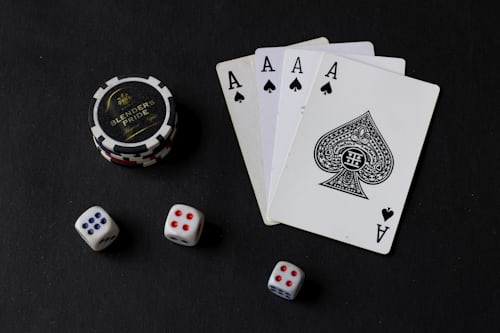
Moreover, the dynamics of the table significantly affect your timing as well. If your opponents are more passive, they may fold more often, making your bluffs more effective. Conversely, if you are up against aggressive players, your bluffs may need to be more calculated. Monitoring the flow of the game can better inform when you should take the risk to bluff, allowing you to capitalize on the right moments while avoiding pitfalls.
Techniques for Effective Bluffing
Mastering specific techniques can improve your bluffing game significantly. One commonly used method is the semi-bluff, where you bet or raise with a hand that may not currently be the best but could improve with future cards. This approach adds layers to your strategy, as you can continue to build your hand while representing strength to your opponents. It is a calculated risk, but one that can pay off by either winning the pot outright or improving your hand later on.
Another effective technique is the “image” bluff, which revolves around the persona you cultivate at the poker table. If your table image is that of a tight, conservative player, your bluffs may carry more weight. Players are more likely to respect your bets since they assume you only bet with strong hands. Conversely, if you are perceived as loose or reckless, your bluffs may be called more often. Thus, managing your table image is critical to bluffing success.
Additionally, the concept of “storytelling” is crucial in bluffing. Every action you take should tell a plausible story about the hand you are representing. When you bet or raise, expect your opponents to deconstruct your narrative; if they see inconsistencies, they may call your bluff. Therefore, it’s essential to be consistent in your betting patterns and to ensure that your actions support the story you’re trying to tell about the strength of your hand.
The Role of Position in Bluffing
Your position at the table plays a pivotal role in how effective your bluffing strategy will be. Being in a later position provides you with the advantage of observing how your opponents act before you make your move. If you notice that multiple players have checked, this could indicate weakness, giving you an opportunity to bluff successfully. Understanding where you are positioned relative to other players allows you to choose your bluffing moments with greater precision.
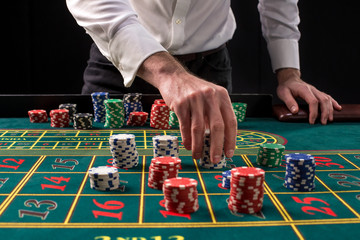
In earlier positions, bluffing becomes riskier because you have less information about your opponents’ hands. Players acting after you have the advantage of responding to your bets, which can make them more likely to call. On the other hand, if you can read that your opponents are passive and hesitant to take risks, even early position bluffs can be effective. Thus, learning to adjust your bluffing strategies based on your position is vital for mastering the art of deception in poker.
Furthermore, position can also affect the type of bluffs you choose to execute. For example, from an early position, a straightforward continuation bet might be more effective than a complex bluff that relies on a multi-layered story. In contrast, from a late position, you might have the flexibility to execute more creative bluffs because you’ve observed your opponents’ betting patterns. Ultimately, recognizing and leveraging your position can elevate your bluffing game significantly.
Resources for Further Learning
For those eager to delve deeper into the art of bluffing and refine their poker skills, numerous resources are available both online and offline. Books authored by poker champions and strategists offer insights into advanced tactics and psychology, which can be crucial for mastering bluffing. Websites dedicated to poker training provide interactive lessons and simulations that allow players to practice their bluffing in various scenarios without real financial risk. Engaging in discussions on forums or communities can also help players learn from shared experiences and strategies.
Moreover, participating in local poker seminars or workshops can enhance your practical knowledge. These events often feature expert players who share their personal experiences and strategies, allowing for valuable networking opportunities. Real-world practice in competitive settings is irreplaceable, and often, the most effective learning happens when you can observe and play against experienced bluffers.
Engaging with resources that focus specifically on bluffing can provide the tips and tricks needed to adapt your strategies according to the evolving dynamics of the game. As with any skill, continuous learning and adaptation are key to maintaining an edge in poker, especially in the often-intense environment of bluffing.